
Group travel works when everyone knows where to be, when to board and who to contact when plans change. Start with the arrival that matters most, whether it is a wedding, a meeting or the first visit on a holiday. Then choose pickups and vehicles that can meet that commitment without a chain of small delays.
Build a passenger list and name one travel contact
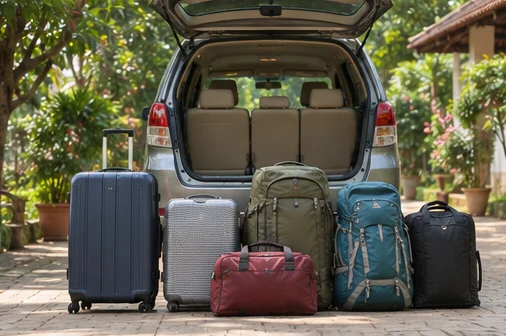
Record the number of passengers by pickup point and travel leg. Include children and people who might join only for the return. Ask about luggage and mobility needs privately so you can plan the right seating and boarding. Name one contact for each vehicle. The contact can keep count and tell the driver when everyone has arrived.
Keep the group’s message simple. Share a map pin, landmark, boarding time, driver contact procedure and what passengers should do if delayed. Give people a time to arrive before wheels move. For large groups, collect confirmation the day before and update the passenger list if plans change. Save a copy that the lead traveller can open with poor signal.
Use pickup points that fit the actual vehicle
One central pickup can work for a large coach when passengers can reach it easily and the coach can wait legally. A Tempo Traveller or smaller vehicle may suit a group split across several lanes or hotels. When comparing the options, include the time to board and load bags. A vehicle that can carry everyone may still have trouble reaching a venue or reversing on a narrow street.
Speak with the destination before confirming a bus. Ask where it can unload, where it can wait and whether there are restrictions for larger vehicles. For a wedding venue with a narrow approach, a coach to a common point and local shuttles can work if the venue can receive both. Tell passengers where any walk or vehicle change is expected.
Protect the fixed time on event and corporate days
For weddings or celebrations, work backwards from the ceremony or venue reporting time. A guest shuttle can use published pickup times from a few hotels, with a clear end time for the last return. Have someone at the venue who can tell drivers when a delayed ceremony affects collection. Ask the operator whether the quote covers separate loops, waiting and a later return.
For corporate travel, give the driver the office entrance or gate and a named contact. Leave time for security procedures or unloading equipment. If a team has an airport or station drop afterwards, sort out its luggage before the first departure. A pickup in a different vehicle or at another gate can be easier to manage when written down in advance.
Give a group holiday fewer stops and more room
Several families take longer to leave a restaurant, cross an entrance or settle in a car. Choose one main visit per part of the day and agree on a regroup point before anyone walks away. Use lunch to check whether the afternoon stop still suits the group. On hill or forest trips, give the departure extra margin to absorb breaks and any access check.
Ask about step height, seatbelts, luggage space and whether an assistive device can be loaded and secured. For travellers who need regular rests or shorter walks, choose attractions with suitable approaches and plan where they can sit. If children need restraints, discuss the actual vehicle and seating before booking. Build accessibility into the timing as well as the vehicle choice.
Confirm the quote and the day-of handoffs
Give the operator the group count, vehicle needs, pickup list, luggage, venue access and timetable. Ask who will handle updates if a flight is delayed or a vehicle needs to be reassigned. For several vehicles, give all drivers the same master plan and send passengers their own vehicle details. On the day, the lead contact should know which stops are firm and which can move. That keeps the whole group informed without requiring every passenger to coordinate directly with every driver.
Send a one-page travel plan to the group
Put the date, boarding time and location at the top. Then include the destination, approximate arrival window, meal arrangements and an organiser contact. For an overnight trip, mention the baggage limit you agreed with the operator and tell passengers what they should carry with them. When buses are used, mark which group boards each vehicle and how luggage will be identified.
Keep a version for the organiser with the confirmed vehicle contacts and the current passenger count by leg. Send updates only when they change what people need to do. If the schedule moves, say which pickup or drop it affects and what time everyone should now be ready. That gives travellers a clear instruction they can find again.